What is Value Engineering in Construction?
Value Engineering in construction is the process of improving project value through intelligent decisions around design, materials, structural efficiency, buildability, and construction methodology.
Traditionally, Value Engineering (VE) has been associated with late-stage cost cutting. However, modern construction VE increasingly focuses on early collaboration between architects, engineers, and contractors.
The goal is to improve cost certainty, reduce programme risk, and support long-term project viability without compromising design intent.
From Late-Stage Project Rescue to Early-Stage Value Design
In a challenging economic climate, the journey from an architectural concept to a completed building has never been more fragile.
Rising material volatility and shifting financial pressures mean that many exceptional commercial and public schemes risk being shelved before a single spade hits the ground.
Historically, Value Engineering has carried a negative connotation, particularly among architects. It is frequently seen as a reactive, late-stage rescue mission. Usually it is a budget-slashing exercise that dilutes design intent and swaps high-quality finishes for cheap alternatives.
But it does not have to be an adversarial process. As we expand our construction services, we are championing a paradigm shift. By transforming VE into an early-stage, collaborative partnership, we can unstick stalled projects, guarantee cost certainty for clients, and entirely protect the architect’s design integrity.
The Shift from ‘Project Rescue’ to ‘Early-Stage Value Design’
When a contractor enters a project late, the only way to save a budget is through subtraction. This traditional approach frustrates architects, who see their designs compromised. It also worries clients, who face delays and redesign fees.
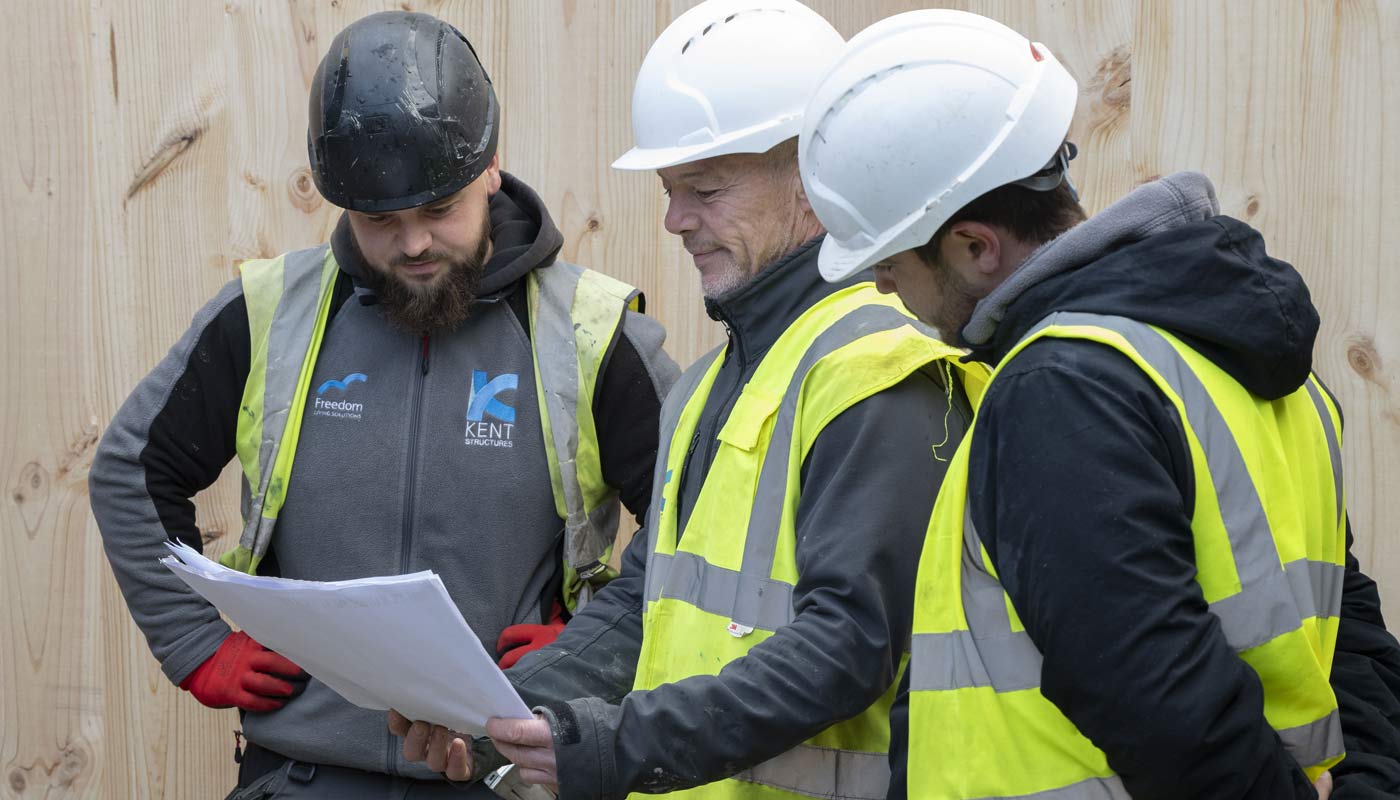
Our approach shifts this timeline entirely. By engaging with architects and clients during RIBA Stages 2 and 3, we act as a technical buildability partner. We bring supply-chain intelligence, structural expertise, and sustainability data to the table before the design is locked in.
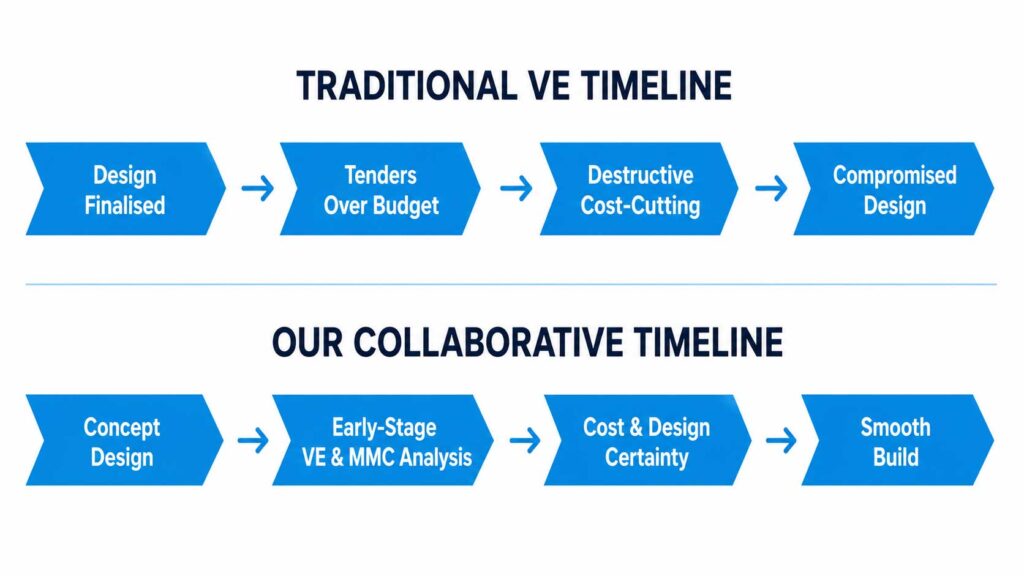
This early synergy prevents the demoralising cycle of redesign fatigue for architects. It also gives commercial clients absolute confidence in their viability models from day one.
How Value Engineering Improves Cost Certainty Through Steel, MMC, and Sustainability
True modern Value Engineering is not about building cheaply. It is about building intelligently.
We leverage Modern Methods of Construction (MMC) and our expertise in structural steel to unlock programme, cost, and structural efficiencies. At the same time, these strategies help reduce environmental impact and protect the client’s bottom line.
1. Speed and Precision with MMC
For education and community projects, time on site translates directly to cost, disruption, and programme risk.
Using MMC solutions such as off-site panelised systems and prefabricated structural components allows more labour and assembly work to move into controlled factory environments.
As a result, this approach mitigates weather delays, improves quality control, and reduces on-site prelim costs. In addition, accelerated construction programmes allow savings to be reinvested where they matter most. This may include premium finishes, public realm landscaping, or enhanced internal environments.
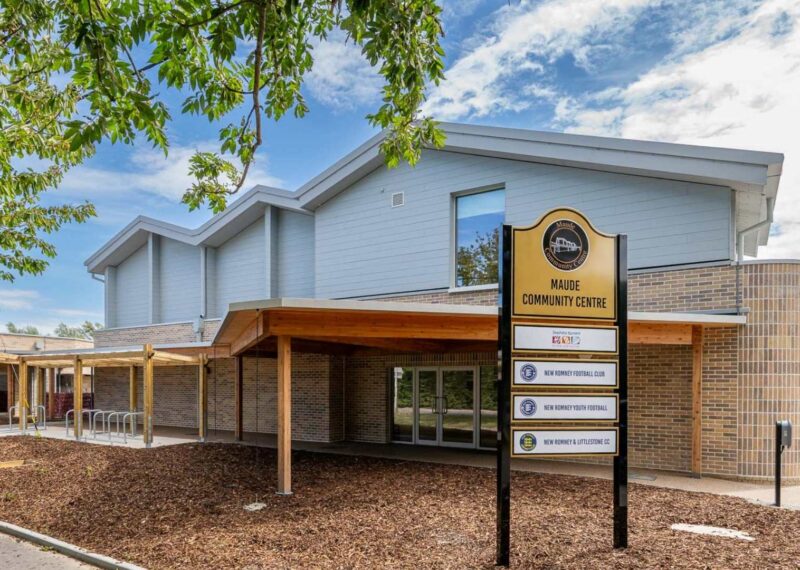
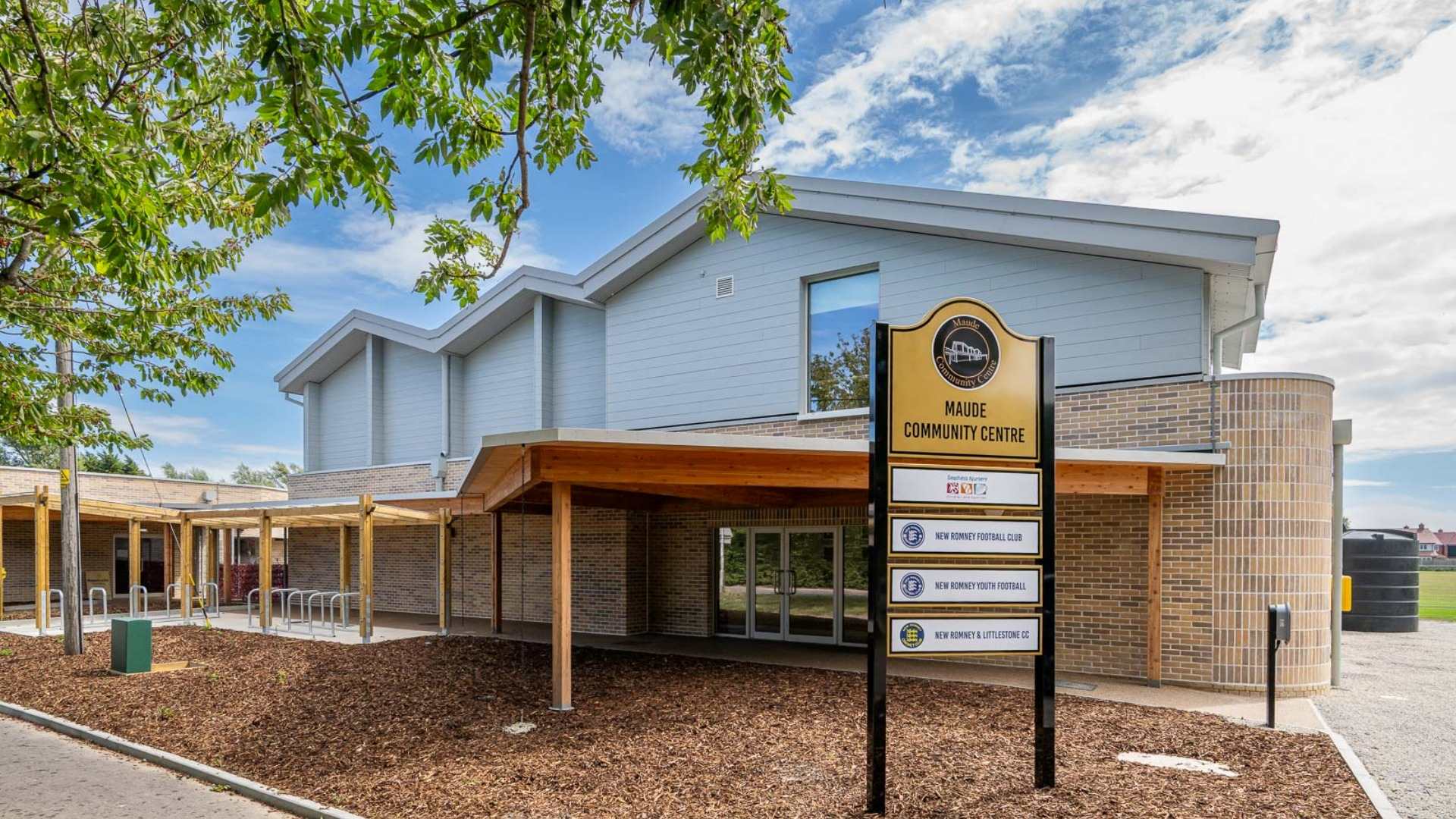
See this in action: Discover how we delivered a sports and community project that may not have progressed without early-stage Value Engineering. The Maude Community Centre >
2. Balancing CapEx with Sustainable Lifecycle Value
Today’s local authorities and forward-thinking commercial developers increasingly recognise that true value extends far beyond initial construction cost.
We use early-stage Value Engineering to demonstrate that sustainable building methods do not necessarily carry a ‘green premium.’
By evaluating how high-performance building envelopes interact with mechanical and electrical systems early in the design process, we help clients balance upfront capital expenditure (CapEx) with long-term operational savings (OpEx).
Ultimately, this approach supports sustainability targets and long-term asset performance.
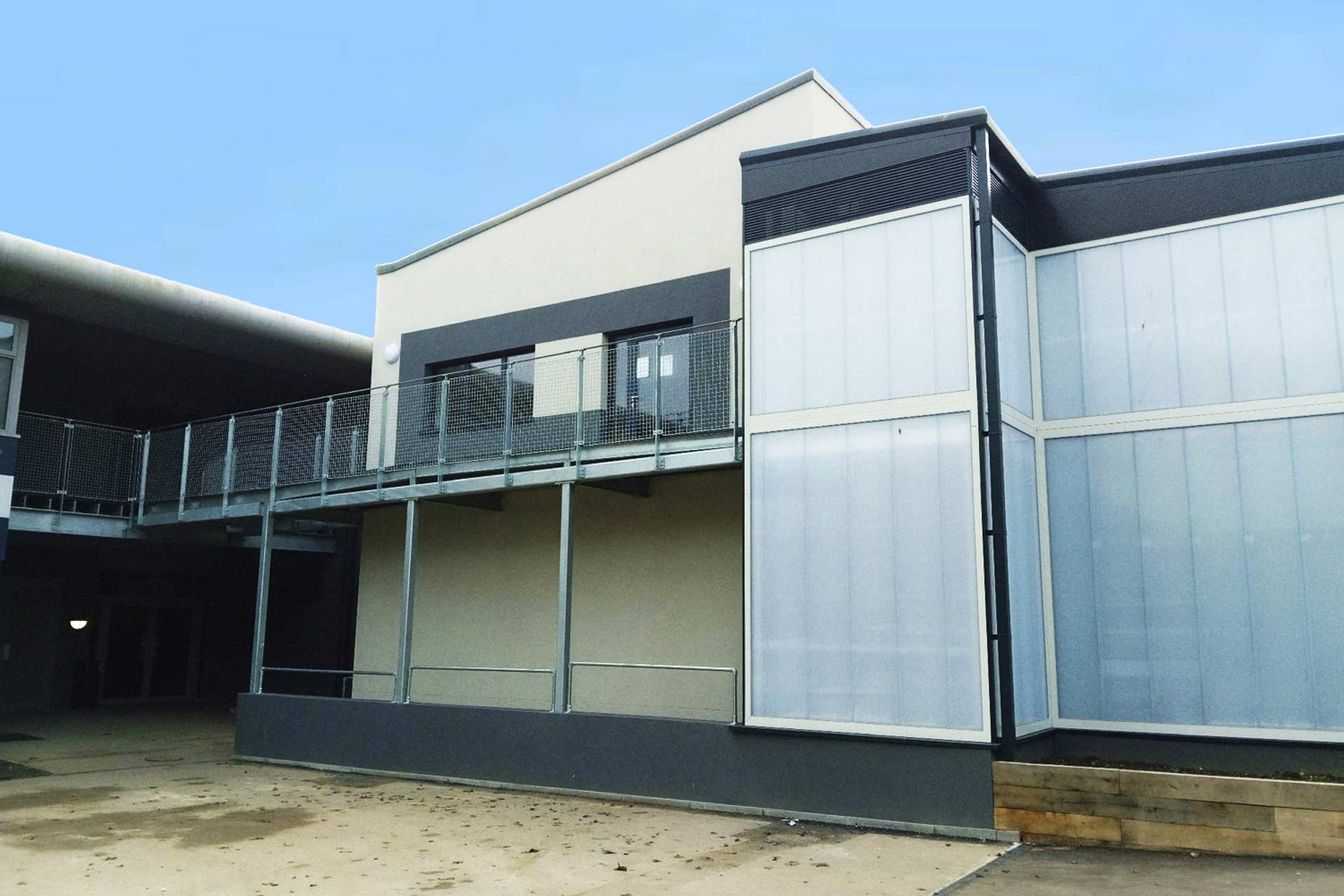
See this in action: We have successfully delivered several high-performance BREEAM-rated education projects within strict client budgets, including the Queen Elizabeth’s Grammar School Teaching Block >
3. Structural Steel Frame Rationalisation
In large-scale commercial developments, the structural frame often represents a significant proportion of both project cost and embodied carbon.
By collaborating early with architectural and structural teams, we can analyse and optimise steel weights before procurement begins. Designing out unnecessary steel tonnage reduces raw material costs and embodied carbon without altering the building’s usable footprint.
In several recent schemes, early-stage structural rationalisation has helped offset material inflation while maintaining the original design intent.
To see this in action, read our (which steel frame project best exemplifies this?) and discover how early structural optimisation unlocked significant project savings.
An Open Invitation to the Architectural Community
We believe the best buildings are born from collaboration, not compromise.
We do not view an architect’s vision as a target for cost cutting. Instead, we view it as the benchmark that must be delivered within the practical realities of programme, procurement, and budget.
Whether you are:
- a commercial developer trying to improve project viability,
- a local authority delivering a critical community asset,
- or an architect seeking earlier construction input to protect design intent,
… early-stage construction partnership can unlock better project outcomes.
Let’s change the conversation around Value Engineering. Let’s use it to improve viability, reduce redesign risk, and help more projects move successfully from concept to construction.
If this collaborative approach to Value Engineering resonates with you, please get in touch. We are always looking to work with like-minded architects, developers, and construction partners.